Modern Creative Design For Visual Projects
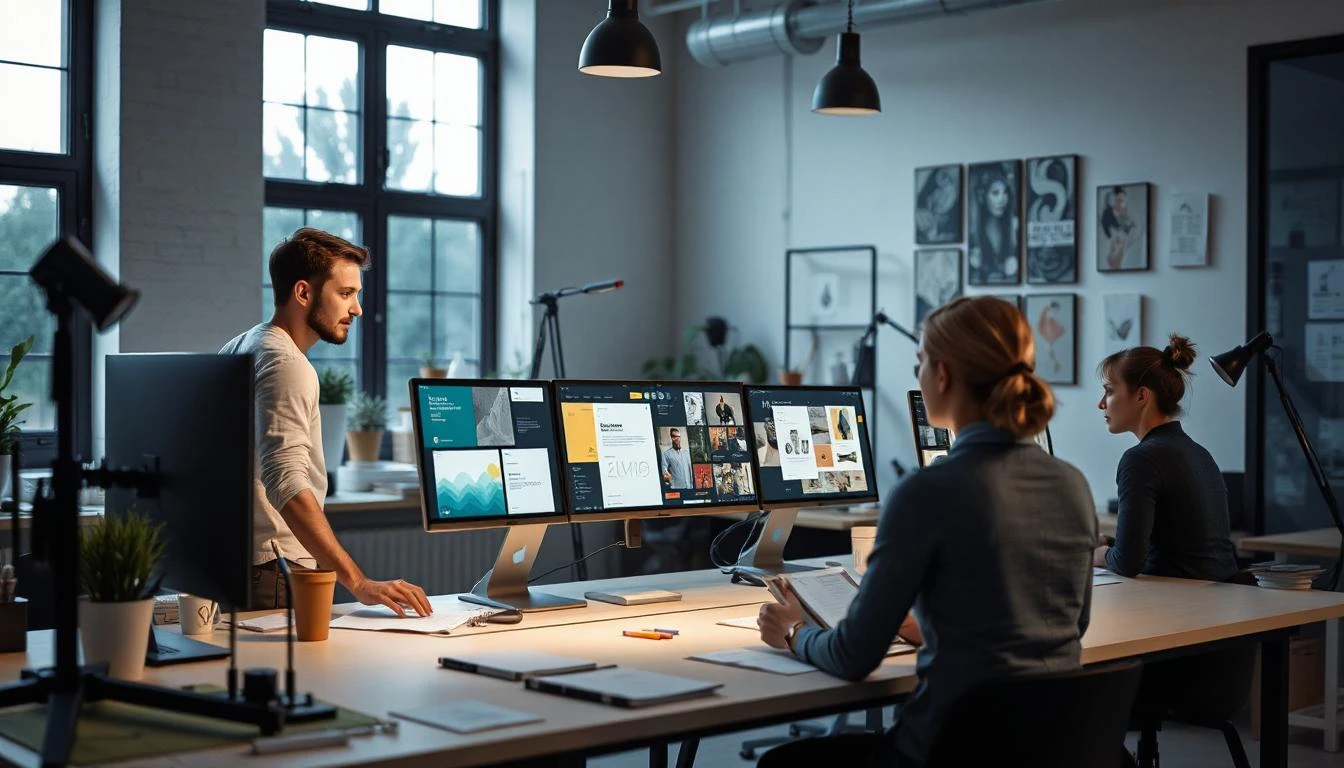
The global digital landscape is no longer a quiet canvas, it is a constantly shifting arena where attention is the most expensive currency. Every brand, creator, and marketplace is competing inside a visual storm where meaning must be delivered in seconds, not minutes. In this environment, design is not just decoration; it is strategy, psychology, and communication fused into one living system.
At the center of this evolution sits modern design inspiration, a driving force behind how global creators shape digital experiences across platforms, especially in fast-growing online marketplaces where perception determines conversion and engagement.
The Importance Of Creative Design In Modern Media
Modern media has transformed into an ecosystem where visuals speak louder than text, and user behavior is shaped within milliseconds. In global digital environments, especially marketplaces, design becomes the silent guide that directs attention, builds trust, and triggers decisions.
visual communication design now plays a central role in shaping how users interpret messages in digital spaces. It is no longer about aesthetics alone but about clarity, hierarchy, and emotional alignment between brand and audience.
Another layer emerges when we observe how digital creators blend storytelling with structured layouts, ensuring every pixel carries intent rather than randomness. As design theorist Jessica Helfand once stated, “Visual language is a system of communication that is both immediate and deeply emotional.” This reflects how modern platforms rely on design to replace long explanations with instant understanding.
Enhancing communication through visuals
Visual systems in modern media act as cognitive shortcuts. Icons, motion cues, and structured layouts allow users to navigate complex information effortlessly. In global marketplaces, where products and services compete side by side, clarity becomes a decisive advantage. This aligns with UX-driven visual hierarchy, a key LSI concept shaping digital clarity.
Building strong visual identities
A strong identity is no longer optional, it is survival. Consistent typography, structured color psychology, and adaptive branding create recognition across platforms. In competitive ecosystems, identity becomes a trust signal, especially in e-commerce user experience design, where first impressions directly influence conversion rates.
Supporting creativity in digital projects
Creativity in digital environments thrives within systems, not chaos. Designers now work within scalable frameworks that allow experimentation without losing consistency. This is especially critical in responsive web design strategies, where adaptability across devices defines user satisfaction.
Popular Trends In Modern Creative Design
Digital design trends evolve alongside user expectations and technological acceleration. Today’s global marketplace aesthetics are defined by simplicity, interaction, and narrative depth that blends function with emotion.
Minimalist and clean visual styles
Minimalism continues to dominate because it reduces friction in decision-making. Clean layouts, subtle spacing, and intentional whitespace improve readability and enhance conversion-focused UI design. In marketplace environments, simplicity often translates into higher engagement.
Interactive and motion based design
Motion is no longer decorative, it is functional. Micro-interactions guide users, confirm actions, and enhance emotional engagement. These patterns are deeply rooted in interactive digital storytelling, where movement replaces static instruction.
Combining typography with visual storytelling
Typography has evolved into a narrative instrument. Variable fonts, expressive scaling, and layered text structures allow designers to communicate tone instantly. This reflects the rise of typographic hierarchy in modern branding systems, where text becomes both message and emotion.
As Don Norman once said, “The best design is invisible when it works well.” This principle explains why seamless interaction often goes unnoticed, yet deeply influences user satisfaction across digital marketplaces.
Tips For Creating Better Visual Projects
Creating impactful visual work today requires more than artistic intuition, it demands strategic awareness of audience behavior, platform mechanics, and psychological triggers embedded in design systems.
Understanding audience and project goals
Every successful design begins with understanding intent. Who is the user, and what action are they expected to take? In global marketplaces, cultural context also matters. A design optimized for Western audiences may not translate effectively in Southeast Asian digital behavior patterns, especially in cross-cultural UX optimization.
Using color balance and composition effectively
Color is emotion translated into visual form. Warm palettes stimulate urgency, while cooler tones build trust and calmness. Balanced composition ensures that attention flows naturally across elements. This is essential in visual conversion optimization techniques, where design directly impacts user decisions.
Exploring digital tools for creative design
Modern creators rely on advanced tools such as AI-assisted design platforms, motion editors, and collaborative UI systems. These tools enable faster prototyping and deeper experimentation in AI-powered creative workflows, transforming how designers build marketplace-ready interfaces.
Improve Visual Projects With Modern Creative Design
In today’s digital economy, visual design is not just about appearance, it is about behavior engineering. Every layout, color choice, and motion pattern influences how users interact with digital marketplaces. When applied correctly, modern design inspiration transforms ordinary interfaces into immersive ecosystems that guide users intuitively.
Design strategist Michael Beirut once noted, “Design is the art of making complex information simple.” This principle is especially true in global marketplaces where users demand speed, clarity, and emotional reassurance within seconds of interaction.
The evolution of digital design is moving toward adaptive systems that learn from user behavior, creating interfaces that feel increasingly personalized and intelligent. This shift marks a new era where creativity and technology merge into a single adaptive language.